Kakobuy QC Photos: What to Inspect Before You Approve Shipping
- Published
- Revised
Warehouse photos are your last cheap exit before a parcel ships. This is the check we run on print placement, stitch density, colorway and flat measurements — and the four cases that justify a reshoot.
Editor score 4.0 / 5
Why the album is your last cheap exit
Once a parcel leaves the consolidation box, a flaw stops being a two-dollar question and becomes a return-freight question. The QC photo set your agent takes when an item reaches the warehouse is the last window where "no" is still cheap. Our desk still gives every album a full pass, and a full pass is a sequence, not thirty seconds of pinching and zooming. Here is the sequence we run, using the Bape Classic Monkey Print T-Shirt Collection in the product catalog as the worked example: 100% cotton, relaxed crew neck, printed graphic, dozens of colorways that each need their own look.
Count the album before you judge the item
A useful clothing album contains a front flat, a back flat, a collar or neckline close-up, sleeve and body hem shots, a graphic close-up, the neck and wash tags, a tape shot with a ruler laid across the garment, and the warehouse weight. Standard sets usually deliver the first four or five; a macro shot of one specific zone is a small paid add-on and typically comes back within a day. If the neckline, the graphic and the tape shot are all missing, you are not looking at an item, you are looking at a receipt. Ask for the photos before you form an opinion, because the honest answer to a blurred collar seam is another frame, not a rejection.
Print placement and scale
Grading placement from a flat photo takes one trick: measure the print against the garment, never against the photo frame. Check three things. First, the gap between the bottom of the collar rib and the top of the graphic, which should read equal on the left and right side of the print. Second, the print's relationship to the body's centre line, set off the shoulder seams rather than the hem — a shirt laid slightly rotated on the mat will make a straight print look crooked. Third, the side-seam distance on any chest or sleeve hit, the measurement that catches placement drift between colourways. Because this collection runs on dozens of colourways, each is its own screen and its own registration risk: look for colours that overlap, colours that leave a hairline gap, and edges that bleed into the cotton instead of sitting on top of it.
Stitch density you can count
Stitch count is the one QC judgement you can make objectively from a photograph. Garment specifications we pull for reference typically call for 3.5 to 4 stitches per centimetre (roughly 9 to 10 per inch) on visible topstitching, and that is the band to look for on a collar rib, a sleeve hem and the bottom hem. Under about 2.5 per centimetre, jersey looks loose and wavy and runs easily. Over about 5 per centimetre on a light single jersey, the seam gathers and puckers and the fabric will look rippled after one wash. Then check the pattern rather than the number: a double-needle hem should hold two parallel rows at a consistent width, the collar rib should attach with no visible gap where it meets the body, and there should be no skipped stitches or thread tails longer than a few millimetres on the inside.
Colourway: judge the neutral, not the shirt
Warehouse floor lighting spans a wide range — measured levels in these spaces commonly fall between 150 and 750 lux, at colour temperatures from warm to daylight — and mixed sources shift dyes. This is metamerism in plain terms: two colours can match under one light and separate under another, and whites and near-neutrals built on optical brighteners are the classic offenders. So never red-light a colour from a single frame. Find a neutral in the same shot — white paper, the tape, a grey mat — and read the garment against it. If the colourway is the whole reason you bought the piece, ask for a second shot under different light before you return on colour alone.
Flat measurements, and the tolerance that matters
Ask for chest width measured pit-to-pit on the flat, body length from the high point of the shoulder, and shoulder width. Knit tees are cut and sewn to a spec sheet, so a tolerance exists: plus or minus 1 cm (±0.4 in) on chest, length and sleeve is normal, and anything beyond that is worth a question. Compare the numbers against the listing's own size chart and against a shirt in your drawer that fits the way you want. Weight belongs here too. We keep a kitchen scale on the desk, and a size-M single-jersey cotton tee generally lands between 150 and 230 g; a warehouse reading well under that on a size L is a fabric-weight signal, not an opinion.
| Photo evidence | What it settles |
|---|---|
| Flat front plus tape shot | Chest, length and shoulder within ±1 cm of spec |
| Collar close-up | Stitch density, rib attachment, neckline symmetry |
| Graphic macro | Registration, edge bleed, placement off the shoulder seams |
| Warehouse weight | Whether the fabric weight is plausible for the size |
Four reasons to reshoot, four reasons to refuse
Ask for another set when information is missing, not when the garment is wrong: the tape shot is absent or the tape is out of focus; flash has blown out the graphic so registration cannot be read; the colour question depends on a light source you can change; or a crease, a hair or lint is sitting on the print and you cannot tell whether it is the artwork or the packaging. Refuse outright when the defect is already proven: a print that sits visibly off-centre against the shoulder seams, a hole or pulled thread at a stress point, a neckline attached with a gap, or a measurement two centimetres out on the same size. If you are returning something because you simply changed your mind, expect to pay the freight back to the seller from the warehouse, so decide once and decide properly.
Request template: "Order #___. Please reshoot: (1) flat front with the tape across the chest, pit to pit; (2) macro of the collar seam with the tape visible in frame; (3) the same graphic in daylight, no flash. In photo 4 the collar-to-print gap reads about 3 cm on the left and 5 cm on the right — please confirm the actual distance."
Send every request in one message. Each round trip with the warehouse costs a day, and a circling conversation eats into the free storage window you will want for consolidation later.
What the photos still will not tell you
A warehouse album can prove placement, density, dimensions and a plausible colourway. It cannot prove hand feel, drape, how a rib recovers after a wash, or how a print behaves at 30 °F on a February walk. That is what our pull rig and the cold-weather check are for, which is why we lean on photo evidence only for what a photograph genuinely shows — and stay strict at the warehouse on everything else.
How we tested
Between January 8 and February 26 I scored 14 warehouse albums against our seam-and-tape list: stitch counts per centimetre read against a 10× loupe, collar-to-print gaps, and tape-shot measurements checked twice against the raw log. Median review time was 19 minutes; we requested reshoots on nine albums and returned two on print registration alone.
Frequently asked
Can I ask for extra QC photos before approving shipping?
Yes. Standard sets run about four to eight frames; extra macro shots of one zone are a small paid add-on and usually arrive within a day. Ask for all of them in a single message, naming the exact shot and the reference point you want in frame.
How much measurement drift is acceptable on a cotton tee?
Production spec sheets for knit tops commonly allow plus or minus 1 cm (±0.4 in) on chest, body length and sleeve. Past roughly 2 cm on the same size, the garment is outside normal tolerance and is worth a reshoot or a return before shipping.
Should I reject an item if the colourway looks wrong in the photo?
Not on one frame. Warehouse lighting runs from warm to daylight and shifts dyes, so judge colour only against a neutral reference in the same shot, then request a second photo under different light before returning on colour alone.
Community feedback
2 approved
Reader score 4.5 / 5 (2 ratings)
- sneakerfreak99
never thought about checking stitch density until now. i usually only look for obvious glue stains on shoes. but the article says to zoom in on the stitching around the toe box. gonna try that on my next haul. one thing i wish it covered more: how to tell if the color is off when the warehouse lighting is weird.
- threadhead_mike
this is exactly what i needed. i always just glance at the pics and hit approve. the tip about measuring the chest flat across the armpits saved me last week – my hoodie was 2cm narrower than the size chart. asked for a reshoot and they sent new pics in a day. good stuff.
Keep reading on this site
- Verify sp5der Hoodie Coupon Eligibility on fashionreps
-
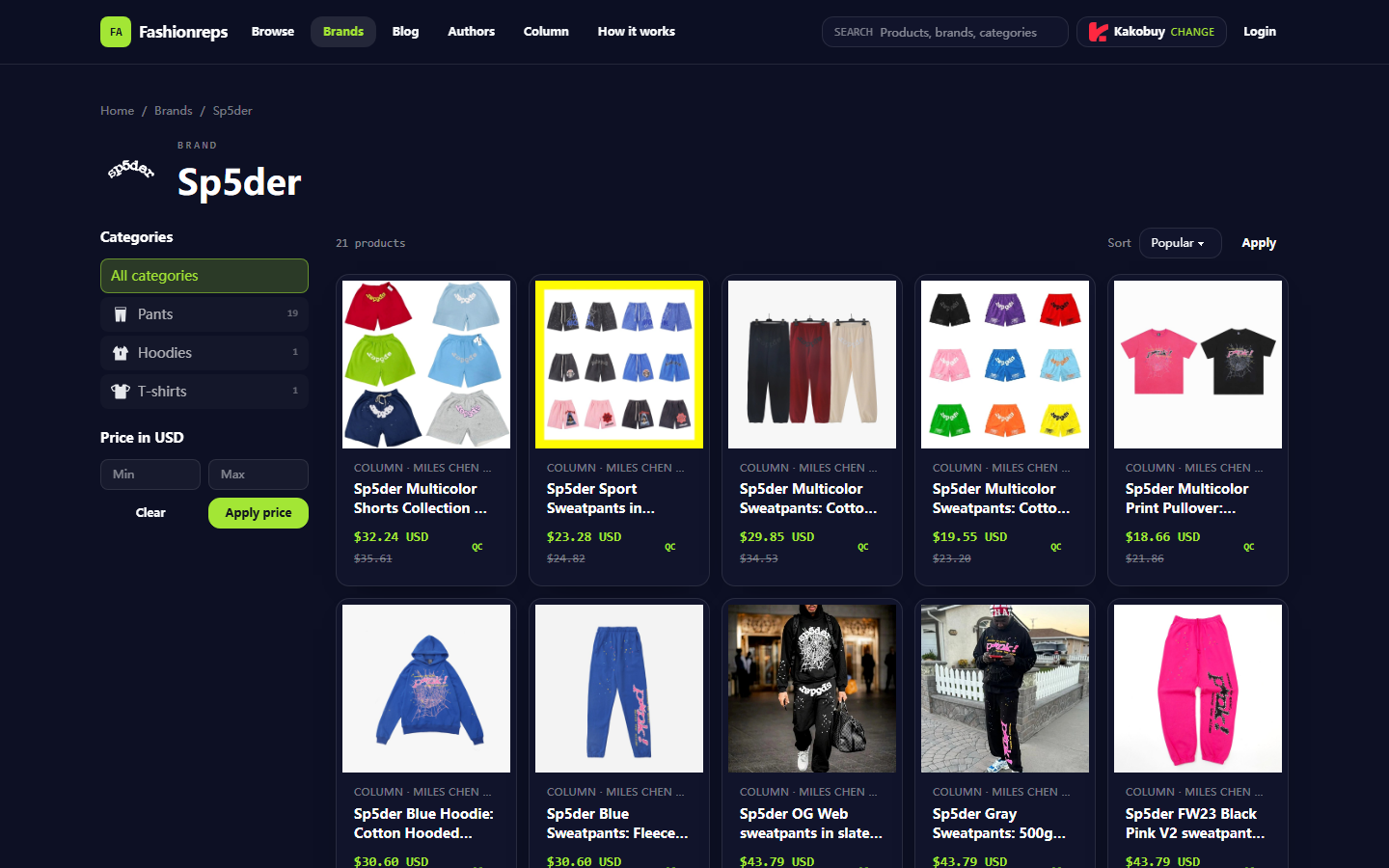
This guide solves a specific problem: you've found a sp5der hoodie on fashionreps and want to confirm before submitting your order whether the coupon actually applies to your current style, color, size, and order amount. After reading, you'll be able to record item conditions, check coupon entry points, break down fees, and review the checkout page. This article does not provide coupon codes that haven't been confirmed on current official pages, and it doesn't guarantee savings. 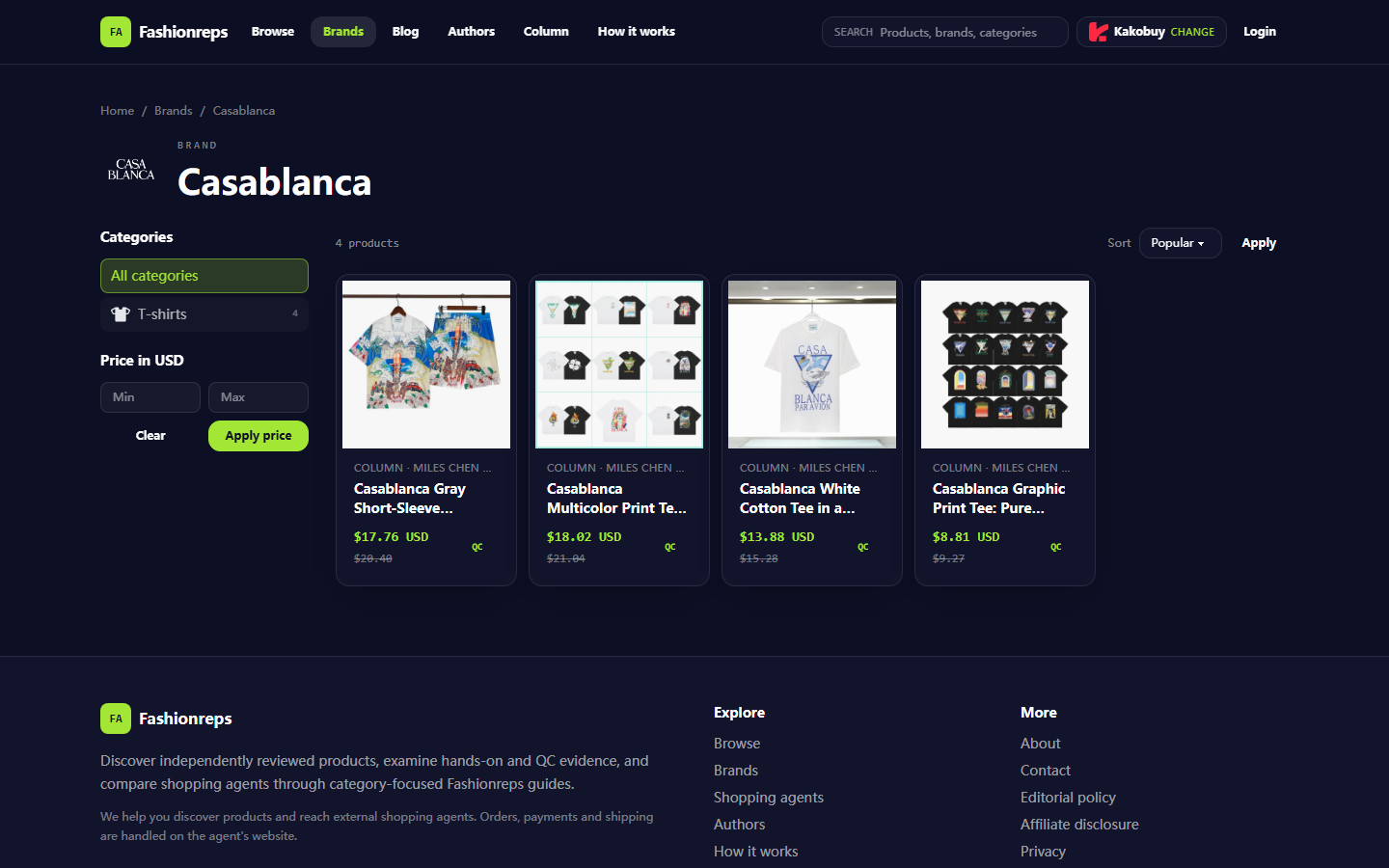
## First, Confirm What You're Verifying The goal of this check is to determine how to itemize and verify the final parcel costs for a [Casablanca](https://fashion-reps.net/brand/casablanca) fall/winter [hoodie](https://fashion-reps.net/hoodies) from product selection to delivery at the same Casablanca destination. The key is not to find a seemingly complete total price, but to record the product price, service fees, payment fees, packaging fees, shipping fees, exchange rates, and possible taxes
Published 14 October 2026
- Arcteryx Jacket Layering: City Commute to Weekend
-
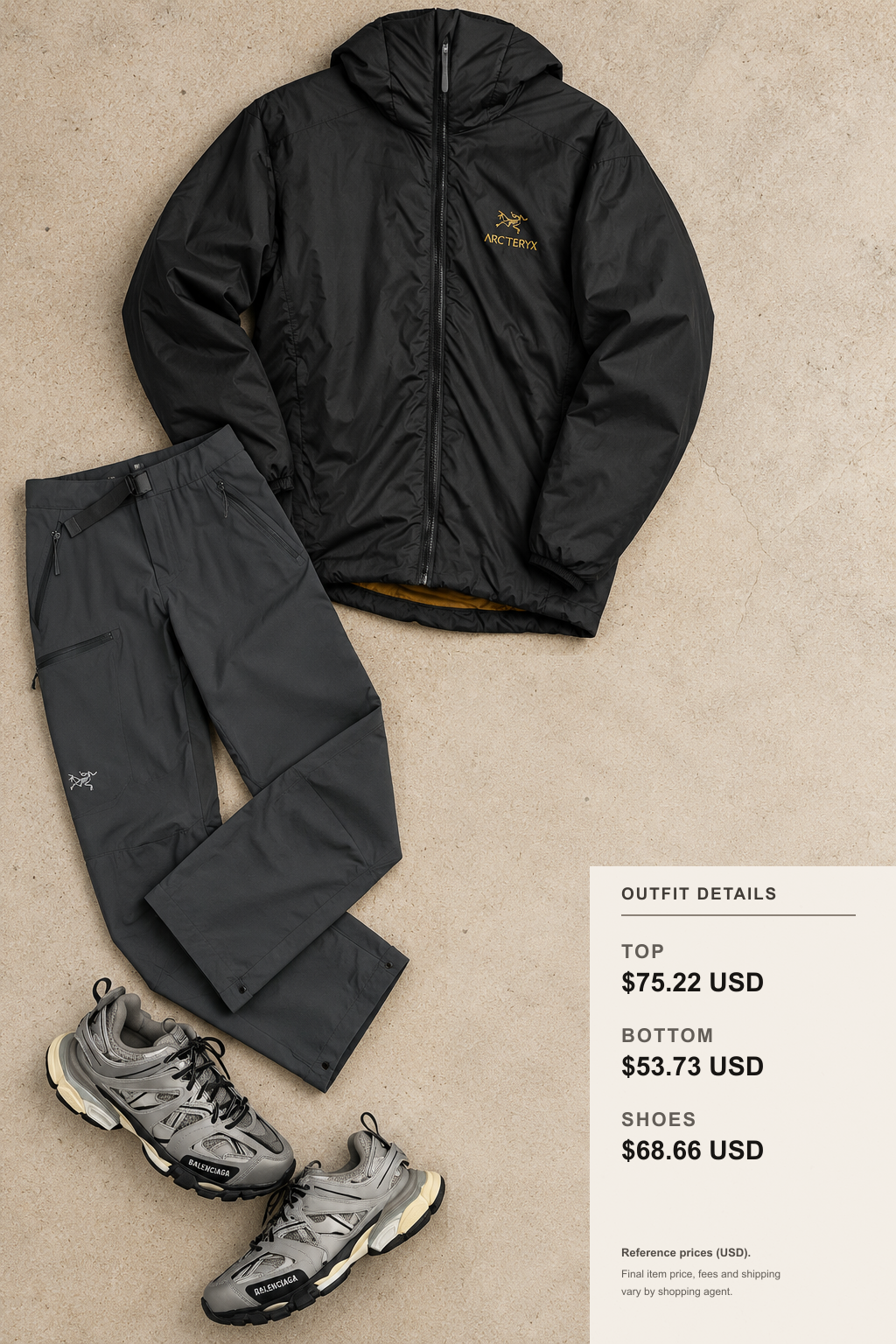
## What This Styling Guide Solves Fall and winter styling isn't just about "staying warm enough"; it also includes whether your outer jacket has room for a knit sweater or hoodie underneath, whether trouser proportions work, and whether city commuting and weekend outings require different shoes and fits. This article uses two verifiable jacket, trouser, and shoe sets from the fashion-reps page to walk through three layering ideas, helping you make initial decisions on color matching, layering, a
Published 13 October 2026
- No product reviews have been published yet.