How to Read Gallery Dept Hoodie Pages: Fit and Sizing
- Published
- Revised
Judging whether a [gallery dept](https://fashion-reps.net/brand/gallery-dept) [hoodie](https://fashion-reps.net/hoodies) fits for fall/winter isn't just about the brand name, print, or a single model photo. A more reliable approach is to first confirm whether the product page provides verifiable color, size, length, shoulder width, sleeve length, detail images, and QC records, then compare that information against your own wearing scenarios. This article is for people planning to use fashion-rep
Editor score 4.2 / 5
Judging whether a gallery dept hoodie fits for fall/winter isn't just about the brand name, print, or a single model photo. A more reliable approach is to first confirm whether the product page provides verifiable color, size, length, shoulder width, sleeve length, detail images, and QC records, then compare that information against your own wearing scenarios. This article is for people planning to use fashion-reps for product discovery and then complete the purchase through an external shopping agent; it is not for situations where page information is directly treated as proof of actual thickness, warmth, or wearing comfort. 🧭

Clarifying the Purchase Decision for gallery dept Hoodies
The core question is not "does this hoodie look like a fall/winter piece," but: does the evidence on the page sufficiently support your size choice, layering plan, and order decision?
After reading the page, you should ideally be able to do four things:
- Confirm the color, size, and fit direction you need.
- Use numbers like length, shoulder width, and sleeve length to judge whether layering is possible.
- Distinguish between what the page has already proven and what still needs QC photos or seller clarification.
- Pause the order when information is insufficient, rather than substituting impressions for evidence.
The fashion-reps page mainly handles product discovery, data organization, and QC evidence viewing. The actual order, payment, inventory, shipping, and delivery are handled by the external shopping agent you choose, so the display information on the page cannot be understood as a completed purchase or receipt verification.
Record Color, Size, Fit, and Visible Descriptions from fashion-reps Product Page
When reading the page, first make a minimal record; don't rush to conclusions based on adjectives like "loose," "heavyweight," or "streetwear vibe." Prioritize copying the fields clearly shown on the page, and note the recording date, because prices, inventory, available sizes, images, and external links may change.
Recommended viewing order:
- Does the product name clearly refer to a hoodie, not a hat, jacket, t-shirt, or other items from the same series.
- Do the color names correspond to the main image, detail images, and selectable variants.
- Does the size chart provide flat measurements, or only letters like S, M, L.
- Does the page state the fit, such as regular, loose, cropped, or other description.
- Are there front, back, side, hood, cuff, hem, and print detail images.
- Can the product page still be opened and display enough visible information to support judgment.
The image resource title provided in this material is used for article illustration, but its visible source summary shows a QC page for an accessory from the same brand, without a verifiable hoodie product sample. Therefore, this article does not use it as evidence of the hoodie's color, size, fabric, or workmanship, nor does it infer specific product status from it.
| Item to Confirm | Can Judge When Page Has Clear Data | What to Do When Missing |
|---|---|---|
| Color and variants | Whether it matches target outfit and images | Request real photos or QC images of the corresponding color |
| Size data | Whether it can be compared with your own garment measurements | Don't blindly choose based only on height and weight |
| Fit description | Can be used for initial screening | Still need to combine length, shoulder width, and sleeve length |
| Prints and details | Can verify position, proportion, and obvious differences | Wait for more angles, avoid confirming from main image alone |
| Thickness and warmth | Usually cannot be proven by product page alone | Ask about material, weight, or check comparable measurement records |
Organize Fall/Winter Layering Needs Based on Length, Shoulder Width, and Sleeve Length
For fall/winter hoodie fit, the focus is not just chest measurement. Length determines whether the hem covers inner layers, shoulder width affects whether an outer jacket can be put on, and sleeve length relates to whether cuffs stick out too much from the jacket. You can take a hoodie that fits well, lay it flat and measure the following positions, then compare with page data:
- Length: From the highest point of the shoulder to the hem.
- Shoulder width: Measure horizontally from left to right shoulder seams or corresponding shoulder lines.
- Sleeve length: From shoulder seam to cuff; if the item has a dropped shoulder design, confirm the measurement starting point on the page.
- Chest width: Measure horizontally under the armpit when laid flat, then judge movement space based on fit.
- Hem and cuffs: Observe whether there is obvious tightening, don't only look at main body measurements.
If you plan to wear a long-sleeve t-shirt under the hoodie, you usually need to allow space in the chest and sleeve areas; if you also need to wear a jacket or down jacket over it, the shoulders and armholes shouldn't be too bulky. Conversely, if you mainly wear it indoors alone, excessive length and shoulder width can make the overall proportions look sloppy.
Don't treat letter sizes as a universal standard across pages. Different products, sellers, and batches may have measurement errors, and the sizes marked on the page may not follow the same fit pattern. A safer decision-making method is to use your own well-fitting garment as a reference and keep an acceptable tolerance range. 📏
Trade-offs for Commute, Weekend, and Indoor-Outdoor Temperature Differences
The standard for "suitable" of the same hoodie varies in different scenarios.
For smart-casual office styling, the focus is more on whether the silhouette easily fits into a jacket, whether the cuffs interfere with work, and whether the print conflicts with the work environment. If the page only shows the front view, without side or back information, it's impossible to fully judge the volume and hem performance when worn under a jacket.
Weekend outings usually tolerate a looser fit, but still need to confirm that the hood, sleeves, and hem won't bunch up significantly with a backpack or outer jacket. If you need to walk for a long time, you can't infer comfort from images alone; shoulder mobility, fabric stretch, and inner feel all require more information or actual measurement support.
When there's a large temperature difference between indoors and outdoors, the hoodie is more like a mid-layer, not automatically a warm jacket. If the page lacks material composition, inner structure, weight, or thickness information, its warmth performance in cold environments cannot be confirmed. In this case, consider it separately from outer windproof and waterproof capabilities. 🌡️
How to Record Prints, Details, and Image Evidence Item by Item
When viewing images, write down separately what can be seen and what cannot be proven. Front images help record print position, color relationships, and overall proportions, but cannot prove fabric feel, durability, or post-wash condition. Detail shots can help examine stitching, drawstrings, cuffs, hem, and tags, but angles, lighting, and compression may also affect judgment.
Recommended checklist:
- Is the print position consistent from different angles.
- Are the pattern edges clear, and are there any obvious shifts, breaks, or abnormal overlaps.
- Are there close-up photos of the hood opening, drawstrings, and metal parts.
- Are the cuffs, hem, and shoulder seams fully photographed.
- Do the images correspond to the selected color and size, not other styles from the same series.
- Do the images have enough context to confirm they come from the target product page.
When an image lacks a certain angle, record it as "unverified" rather than "no problem." This distinction is important: not seeing an abnormality does not mean it has been proven absent. 🔍
Thickness, Warmth, and Comfort That Page Cannot Prove
The following judgments cannot be made from a single product main image alone:
- Whether the fabric is thick, soft, or noticeably stretchy.
- Whether the inner is fleece, terry, or other structure.
- Whether it feels stuffy, itchy, sheds, or deforms easily when worn.
- Whether it shrinks, fades, or affects prints after washing.
- Whether the actual weight is suitable for long-term wear.
If the page lacks relevant measurements, material descriptions, or verifiable QC records, these items should be listed as pending confirmation. Don't use adjectives without evidence like "warm," "comfortable," "heavyweight," or "high-quality" to replace information, and don't write observations from product images as if touch or wear tests have been conducted.
Also be cautious about time-sensitive facts. Prices, inventory, available sizes, agent channels, shipping fees, taxes, return policies, and link status should be reconfirmed before ordering, and note the confirmation date, destination country, and currency. This article does not provide price, inventory, or shipping commitments at any particular time.
QC Photos, Size Notes, and Verification Process for Missing Information
When product page information is incomplete, you can follow the order of "first verify the object, then verify dimensions, and finally verify details":
- Confirm that QC photos correspond to the target product, color, and style, not the same series or other links.
- Verify the measurement items, units, measurement methods, and possible errors in size notes.
- Request missing front, back, side, inner, tag, print, and stitching photos.
- Compare supplementary information with your well-fitting garment data item by item.
- If key questions remain unanswered, pause the purchase and save current records.
If the page only has a product name and a few display images, without usable size data or matching QC evidence, the most reasonable conclusion is not "suitable" or "unsuitable," but "insufficient evidence, no judgment yet." This helps avoid wrong size choices due to title, brand name, or single main image.
When choosing an external shopping agent, also understand platform identities separately. fashion-reps is used for discovering and viewing product information; the agent you choose handles ordering, payment, warehousing, and subsequent logistics. Inventory, fees, return policies, and route rules on the agent's page should be based on its current page and order confirmation information; do not infer fixed procedures from this article.
Pre-Order Evidence Checklist and Final Actions
Before ordering, at least save the following records:
- Complete name of target product and corresponding page.
- Selected color, size, and measurement data shown on the page.
- Comparative measurements with your well-fitting garment.
- QC image status for front, back, side, and key details.
- Unconfirmed material, thickness, inventory, price, and shipping matters.
- Current fees, destination country, currency, and applicable conditions shown on the agent platform.
- Verification date of page information.
Final actions can be divided into three types:
- Evidence complete: Size data, color correspondence, and key images all check out, then proceed to agent platform to confirm real-time order conditions.
- Partially complete: Fit direction basically clear but still missing some key details, first supplement QC or seller information.
- Insufficient evidence: Missing size chart, product correspondence, or core images; don't force an order just to pursue a certain brand name or print.
The savings from this judgment method are not about promising a fixed amount, but about reducing size errors, wrong items, and repeated shipping and return processing costs due to insufficient information. The cost is time spent measuring, saving screenshots, and waiting for supplementary information, and it cannot eliminate risks such as inventory changes, image errors, shipping delays, and after-sales restrictions. It is more suitable for buyers who value size evidence, plan layering, and are willing to verify QC; not suitable for those who want to order quickly based on main image alone, or cannot accept incomplete page information. ✅
Community feedback
5 approved
Reader score 4.2 / 5 (5 ratings)
- Tyler R.
Solid writeup. One thing I'd add, check if the page lists the fabric weight cause that changes how it drapes. A 400gsm vs 300gsm hoodie fits totally different even with the same measurements on paper.
- sophieonthego
Bookmarked. I always screenshot the size chart and the detail images before ordering so I have something to compare when it shows up. Saved me from a return twice now. fall fit matters more than people admit, a boxy hoodie under a jacket just bunches up.
- DwayneP
Eh, I get the logic but a lot of those pages just copy the same size chart from the original brand and the rep doesn't match it. You still gotta look at real QC pics from buyers. Color is the other thing, the washed black ones vary a ton between batches.
- lena.k
good point about sleeve length, nobody talks about that. I'm 5'7 and most hoodies drown me in the sleeves but the body fits fine. comparing numbers to a hoodie you already own is the move, forget the brand tag.
- Marcus_Thrift
This is actually really helpful. I ordered a Gallery Dept hoodie last year just going off the model pic and it was way too short in the body. Now I always check the length and shoulder width numbers first. The QC records tip is huge too, some pages show the actual measurements of the batch you're getting.
Keep reading on this site
- Verify sp5der Hoodie Coupon Eligibility on fashionreps
-
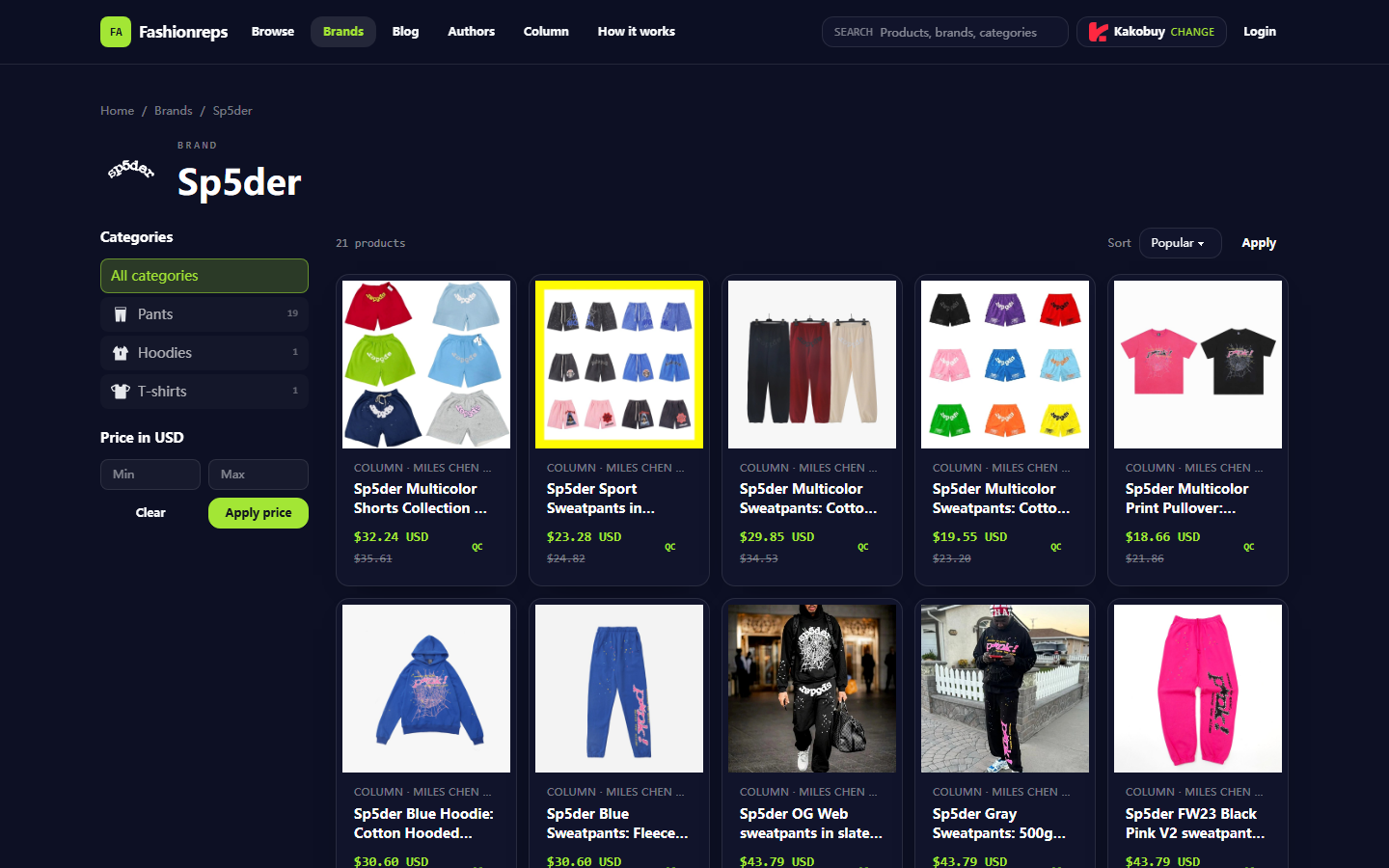
This guide solves a specific problem: you've found a sp5der hoodie on fashionreps and want to confirm before submitting your order whether the coupon actually applies to your current style, color, size, and order amount. After reading, you'll be able to record item conditions, check coupon entry points, break down fees, and review the checkout page. This article does not provide coupon codes that haven't been confirmed on current official pages, and it doesn't guarantee savings. 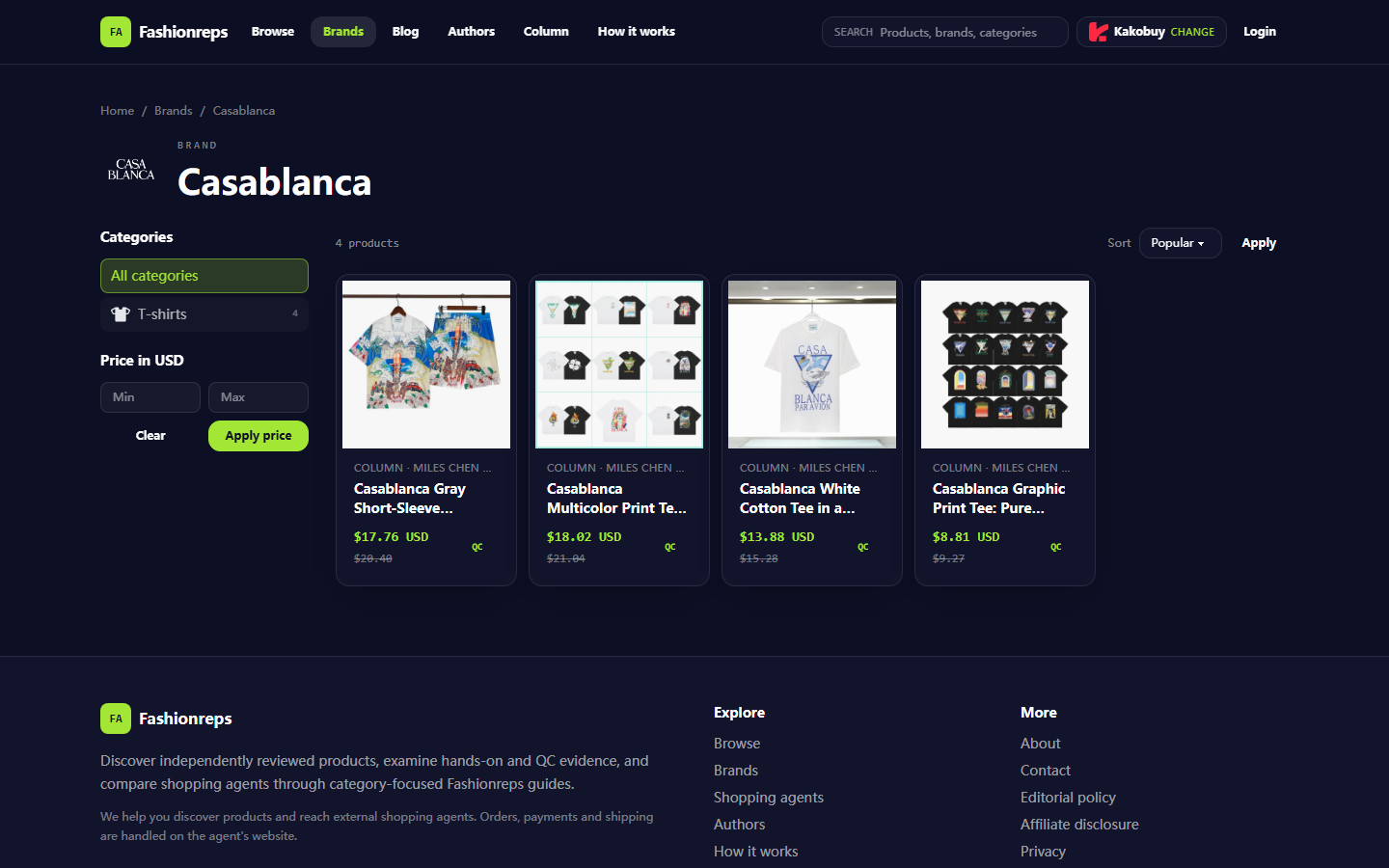
## First, Confirm What You're Verifying The goal of this check is to determine how to itemize and verify the final parcel costs for a [Casablanca](https://fashion-reps.net/brand/casablanca) fall/winter [hoodie](https://fashion-reps.net/hoodies) from product selection to delivery at the same Casablanca destination. The key is not to find a seemingly complete total price, but to record the product price, service fees, payment fees, packaging fees, shipping fees, exchange rates, and possible taxes
Published 14 October 2026
- Arcteryx Jacket Layering: City Commute to Weekend
-
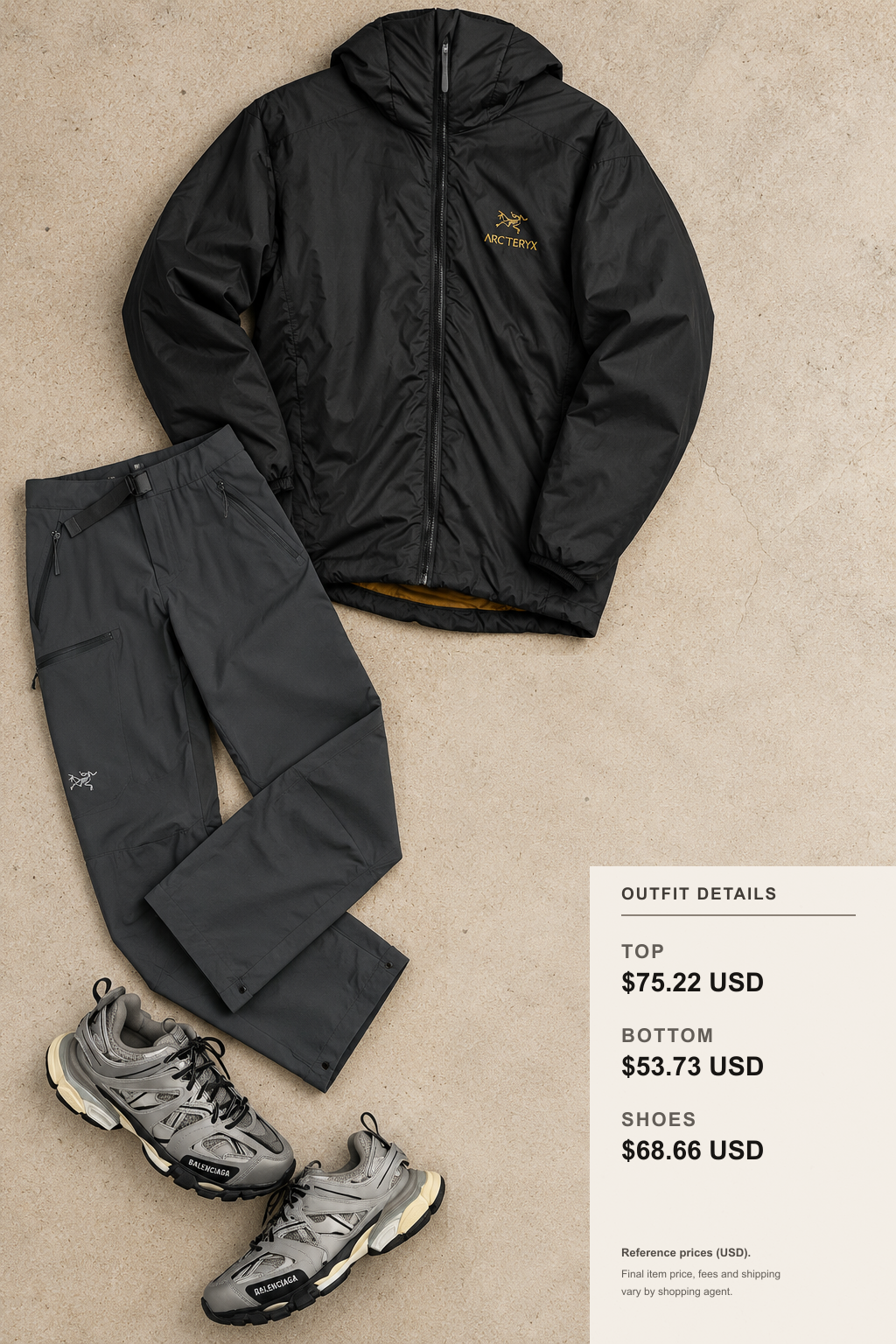
## What This Styling Guide Solves Fall and winter styling isn't just about "staying warm enough"; it also includes whether your outer jacket has room for a knit sweater or hoodie underneath, whether trouser proportions work, and whether city commuting and weekend outings require different shoes and fits. This article uses two verifiable jacket, trouser, and shoe sets from the fashion-reps page to walk through three layering ideas, helping you make initial decisions on color matching, layering, a
Published 13 October 2026
- No product reviews have been published yet.